Archaeology
Behistun Inscription
- Era
- c. 520 BC
- Location
- Mount Behistun, western Iran
- Discovered
- first copied 1835-1847
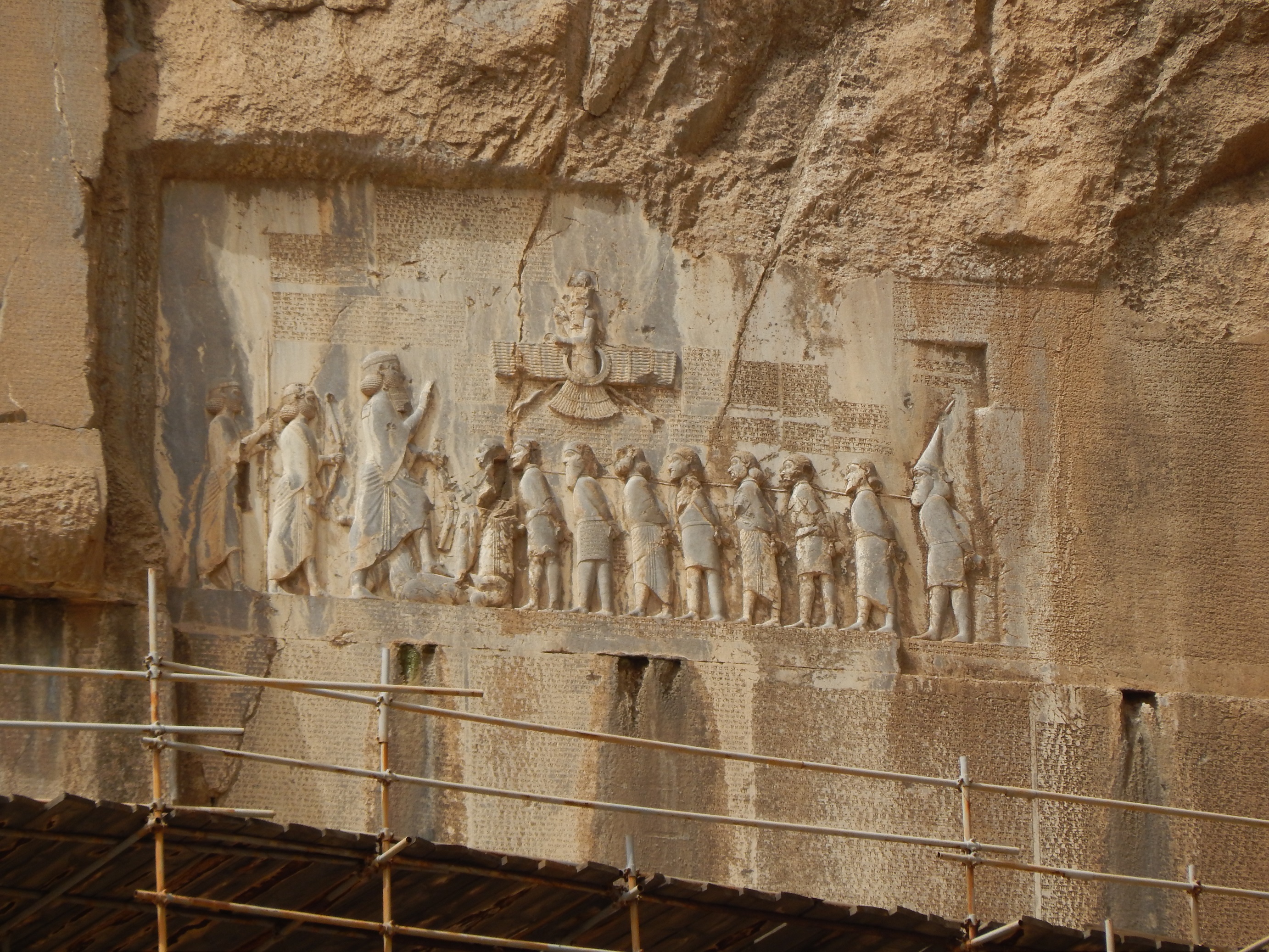
A trilingual rock inscription of Darius I that not only confirms the Persian-era setting of Ezra, Nehemiah, Esther, and Daniel, but also became the key that unlocked cuneiform itself — opening the entire ancient Near East to historical study.
The find
Carved 100 meters up a cliff face, the Behistun Inscription presents Darius I's account of his rise to power in Old Persian, Elamite, and Babylonian. Henry Rawlinson's daring decipherment in the 1840s used the parallel Old Persian text to crack Akkadian — the foundation of modern Assyriology.
Why it matters
Without Behistun, none of the Babylonian and Assyrian texts that corroborate Scripture — Sennacherib, Cyrus, Nebo-Sarsekim, Nabonidus, the Babylonian Chronicles — could be read at all. It's the indirect key to almost every archaeological confirmation of the Old Testament we now have.
Cross-linked Scripture
Doctrine check
Sources
- ·Schmitt, R. (1991). The Bisitun Inscriptions of Darius the Great
- ·Larsen, M.T. (1996). The Conquest of Assyria
- ·Livius.org: Behistun Inscription (full text & translation)