Manuscripts
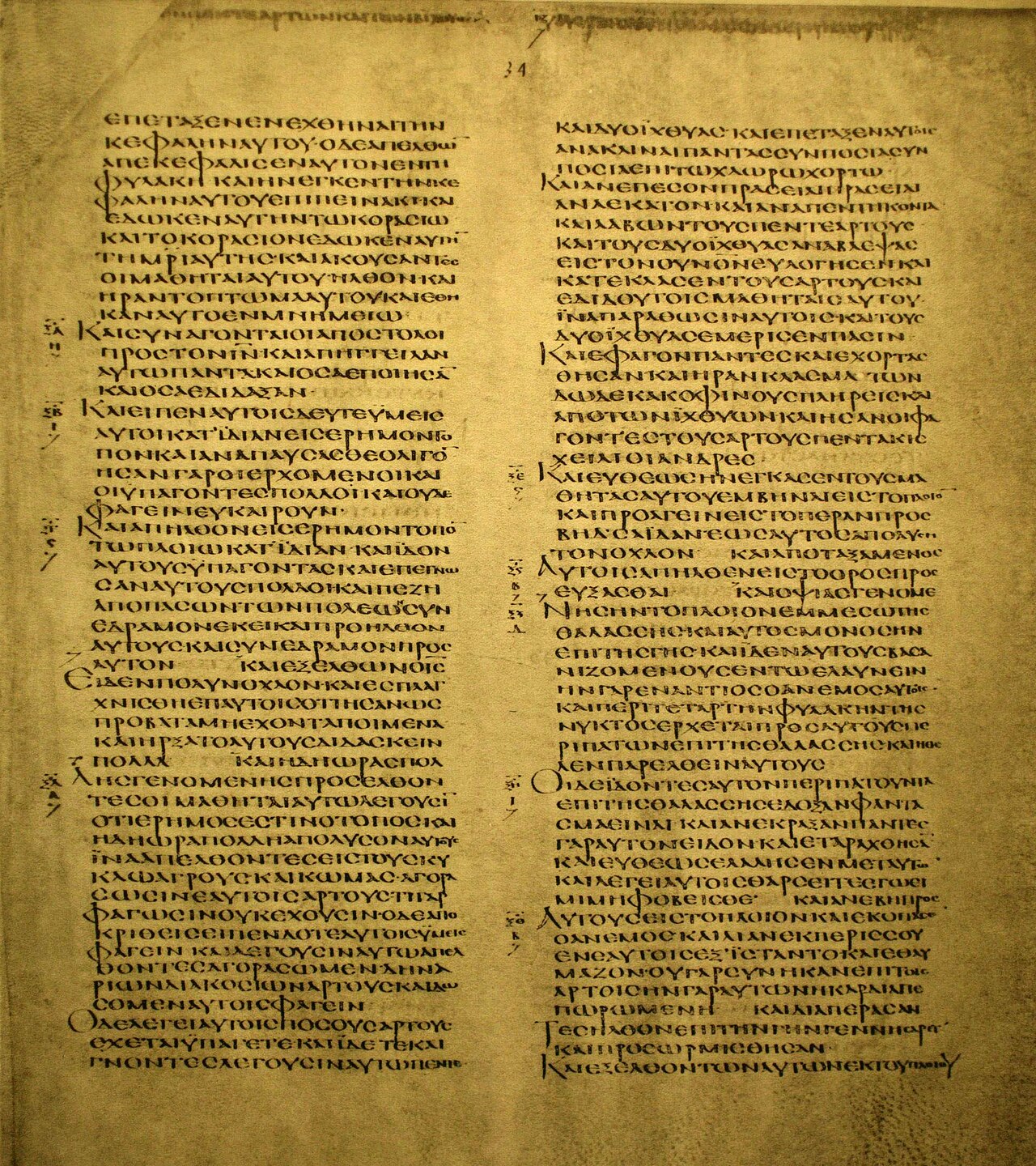
Codex Alexandrinus
- Era
- 5th c. AD
- Location
- British Library, London
- Discovered
- 1627 (gifted)
A 5th-century Greek uncial Bible containing most of the Old and New Testaments — one of the four great early codices, and a foundational witness to the text we hold today.
The find
Codex Alexandrinus (designated A or 02) was given to King Charles I in 1627 by Cyril Lucar, Patriarch of Constantinople, who reportedly brought it from Alexandria. Written on vellum in two columns, it preserves nearly the entire Christian Bible plus 1–2 Clement. Along with Sinaiticus, Vaticanus, and Ephraemi Rescriptus, it forms the backbone of modern critical editions of the Greek New Testament and demonstrates the remarkable textual continuity of the Christian Scriptures into the early Byzantine era.
Why it matters
Alexandrinus is a key independent witness to the New Testament text, especially valuable for the General Epistles and Revelation. Set beside Sinaiticus and Vaticanus, it corroborates just how stable the New Testament text was across the earliest manuscript families.
Doctrine check
Sources
See also
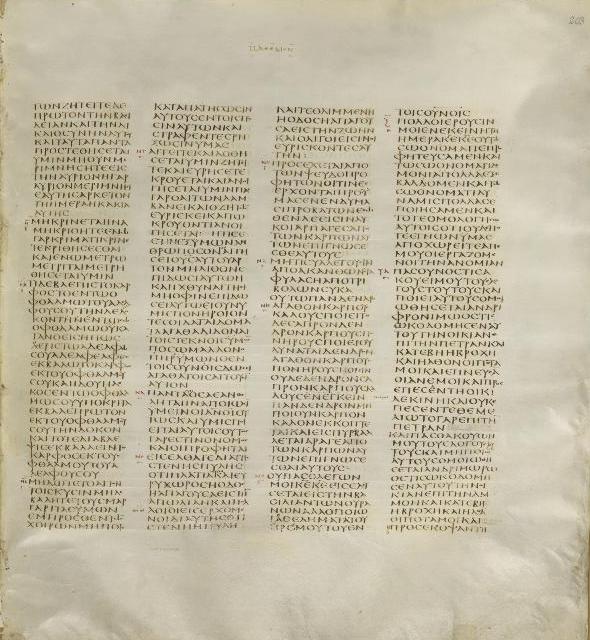
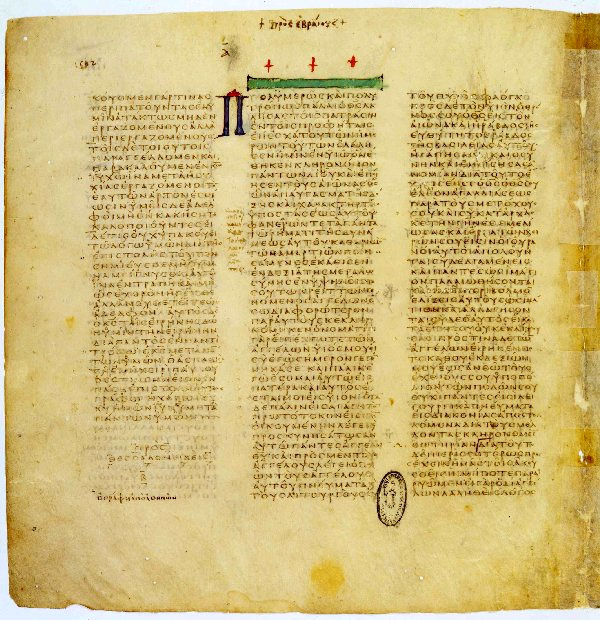
Image: British Library / Wikimedia Commons (public domain)
Discuss with AI