Archaeology
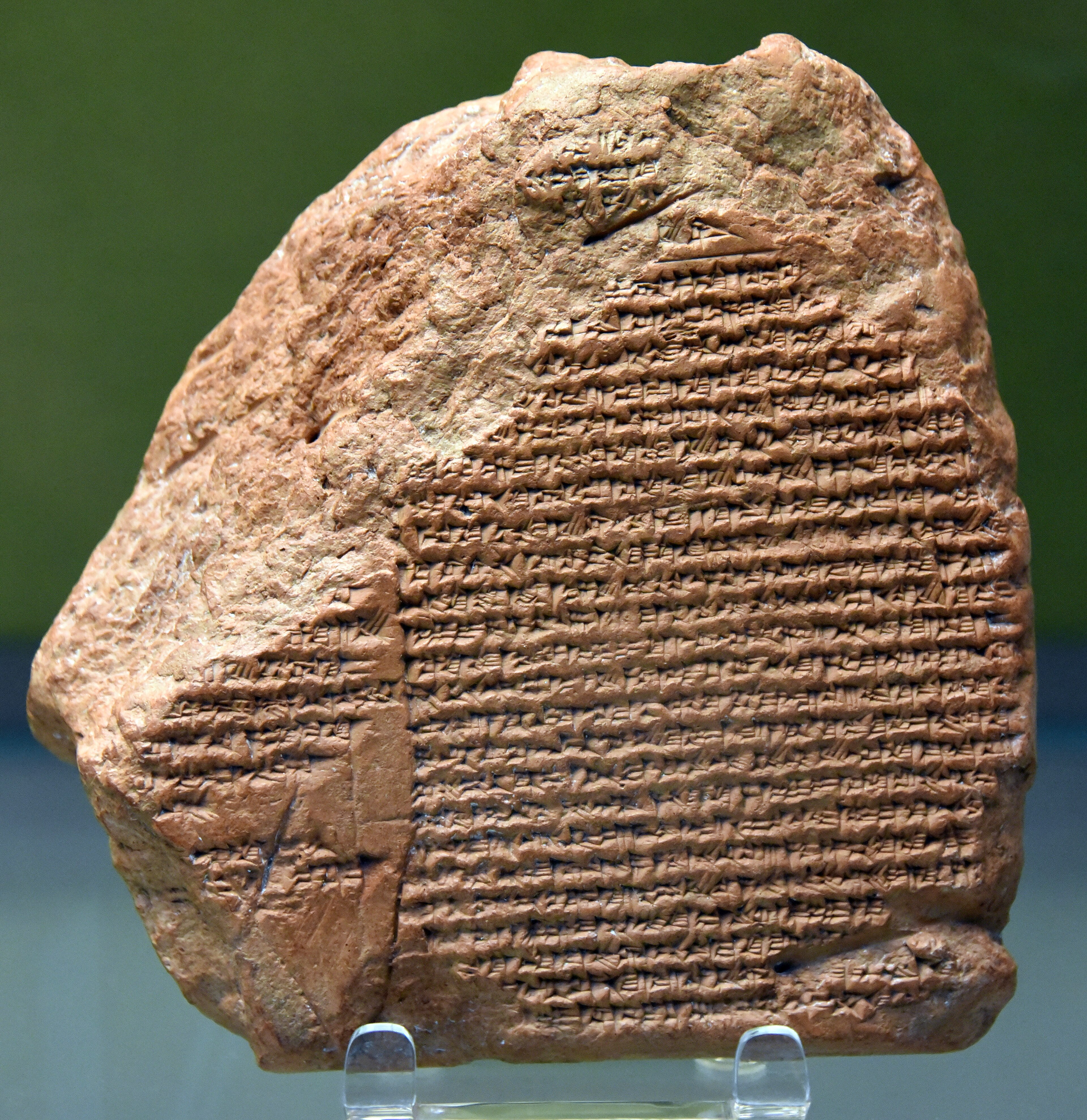
Nabonidus Chronicle & the Fall of Babylon
- Era
- 6th century BC
- Location
- Babylon
- Discovered
- published 1882
A Babylonian cuneiform chronicle confirming that Babylon fell to Cyrus the Persian "without battle" on the night of October 12, 539 BC — and that king Nabonidus had already handed effective rule to his son Belshazzar.
The find
The Nabonidus Chronicle, along with the Verse Account of Nabonidus and the Cyrus Cylinder, records that Nabonidus spent years away from Babylon at Tema in Arabia, leaving "the kingship" to his eldest son Belshazzar. They also describe Cyrus's peaceful entry into Babylon while the city celebrated a festival — exactly the night setting of Daniel 5.
Why it matters
It quietly resolves an old skeptical objection: Belshazzar was unknown outside the book of Daniel until these tablets surfaced. They confirm his existence, they confirm his co-regency (which is why he could only offer Daniel third place in the kingdom — Daniel 5:16 — because Nabonidus still held first), and they confirm the sudden, bloodless fall of Babylon.
Cross-linked Scripture
Doctrine check
Sources
- ·Grayson, A.K. (1975). Assyrian and Babylonian Chronicles
- ·Wiseman, D.J. (1985). Nebuchadrezzar and Babylon. Schweich Lectures
- ·Livius.org: Nabonidus Chronicle (translation)
- ·British Museum: Nabonidus Chronicle tablet