Archaeology
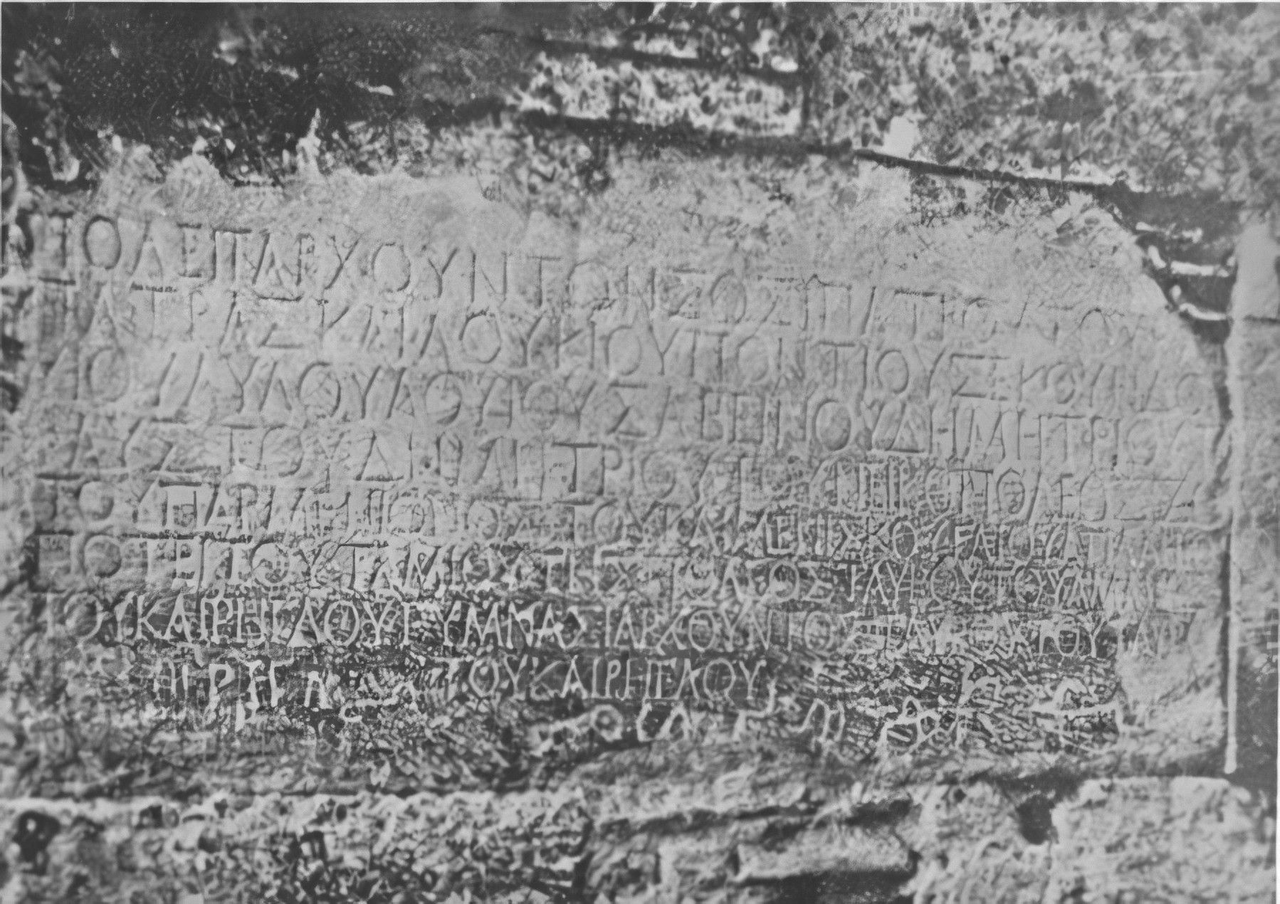
Politarch Inscription (Thessalonica)
- Era
- 2nd c. BC – 3rd c. AD
- Location
- Thessalonica, Greece
- Discovered
- 19th c.
Stone inscriptions from Thessalonica using the rare civic title "politarch" — the exact word Luke uses in Acts 17:6, 8.
The find
The most famous example was the Vardar Gate arch inscription (now in the British Museum), which lists seven politarchs by name. Liddell-Scott once classed the word as a New Testament hapax of uncertain meaning, but the corpus of Macedonian inscriptions — many from Thessalonica itself — has placed Luke's usage solidly within attested civic vocabulary. The find is a textbook example of archaeology confirming the author of Acts' familiarity with local political structures across the Aegean.
Why it matters
Critics once dismissed Luke's vocabulary here as an invention. Over 70 inscriptions from Macedonia have since confirmed that "politarch" was the authentic local title for city magistrates in that region — a small, precise vindication of Acts' historical accuracy.
Cross-linked Scripture
Doctrine check
Sources
Image: British Museum / Wikimedia Commons
Discuss with AI