History
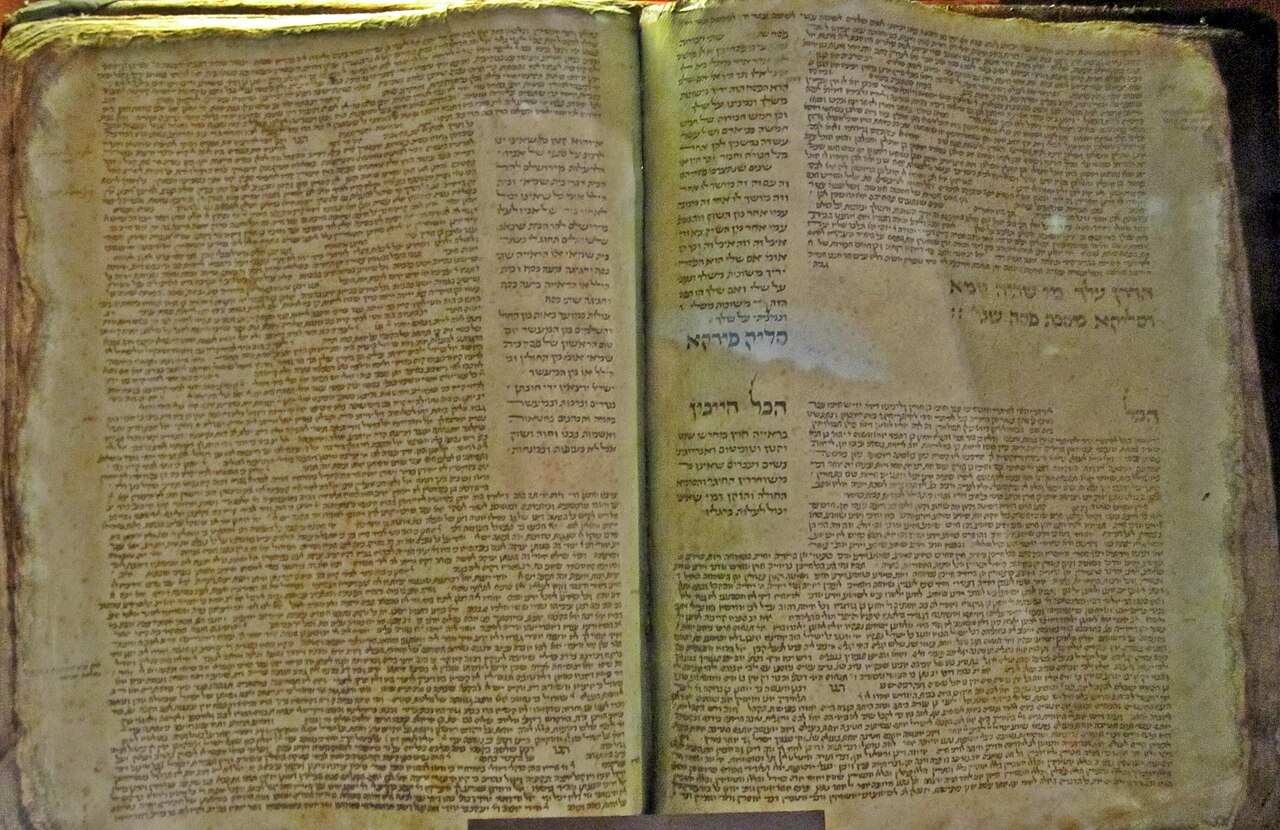
Babylonian Talmud, Sanhedrin 43a
- Era
- compiled 3rd–6th c. AD
- Location
- Babylonia
- Discovered
- pre-modern
A passage in the Babylonian Talmud that refers to the execution of "Yeshu" on the eve of Passover for "sorcery and leading Israel astray." It's a hostile source — and that's exactly what makes it useful.
The find
Sanhedrin 43a reports that a herald went out for forty days proclaiming Yeshu's impending execution and inviting witnesses in his favor, before he was hanged on the eve of Passover. Though polemical and late in its written form, the tradition predates the redaction of the Bavli and reflects an independent Jewish memory that Jesus was a known figure, executed in Jerusalem at Passover under a charge tied to leading people astray — consistent in broad strokes with the Gospel passion narratives.
Why it matters
Here is an independent Jewish witness, from a tradition that had every reason to deny the story, corroborating the basic outline of Jesus' execution — its timing on the eve of Passover, and the kind of charge the authorities leveled against Him.
Cross-linked Scripture
- Matthew 27:24-26— Talmud: Yeshu was hanged on the eve of Passover — matches the Gospel chronology.
- John 19:14-16— Crucifixion on the day of Preparation for Passover.
Doctrine check
Sources
See also
Image: Babylonian Talmud (1342) / Wikimedia Commons
Discuss with AI