Prophecy
Prophecy: The Fall of Tyre
- Era
- prophesied c. 586 BC; fulfilled 332 BC
- Location
- Tyre, Lebanon
- Discovered
- —
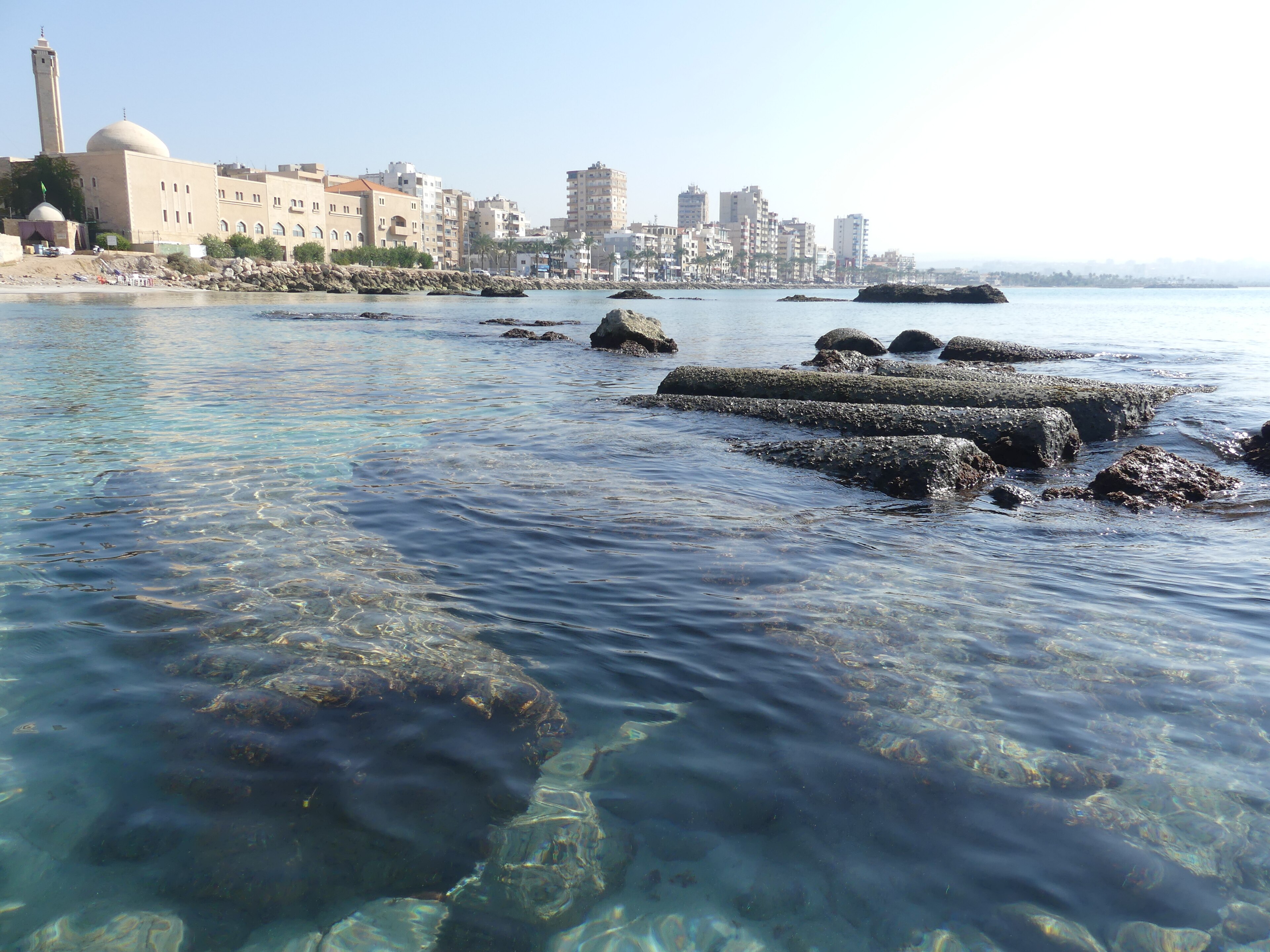
Around 586 BC, Ezekiel predicted that Tyre would be destroyed, its stones and timber thrown into the sea, and its site scraped bare like a rock. In 332 BC, Alexander the Great's siege literally fulfilled it — his army demolished the mainland city and pushed its rubble into the sea to build a causeway out to the island fortress.
The find
Ezekiel 26 announces judgment on Tyre: many nations will come against her, her walls and towers will be broken down, her stones, timber and soil cast into the water, and she will become a place for spreading fishing nets. Nebuchadnezzar besieged the mainland city for 13 years (586-573 BC) and devastated it. More than 250 years later, Alexander the Great laid siege to the island fortress by literally scraping the ruins of mainland Tyre into the sea to build a half-mile causeway — fulfilling the imagery in extraordinary detail.
Why it matters
This is a prophecy with specific, unlikely physical details — debris thrown into the sea — that was fulfilled centuries later by events the prophet could not possibly have engineered. And multiple independent historical sources (Diodorus Siculus, Arrian, Quintus Curtius) describe Alexander's causeway on their own terms.
Cross-linked Scripture
Doctrine check
Sources
- ·Diodorus Siculus, Library 17.40-46
- ·Arrian, Anabasis 2.16-24
- ·Fleming, W.B. (1915). The History of Tyre. Columbia University Press
- ·Livius.org: Tyre — history of the city
- ·Tyre, Lebanon — destruction & history (Wikipedia)