
History
Philo of Alexandria on Pontius Pilate
- Era
- c. AD 40s
- Location
- Alexandria, Egypt
The Jewish philosopher Philo — a contemporary of Jesus and Pilate — records Pilate's rule and his violent use of temple funds, giving an independent Jewish witness to the governor who condemned Jesus.
The find
Philo of Alexandria (c. 20 BC – AD 50) was a Jewish philosopher and diplomat from Egypt who wrote Embassy to Gaius (Legatio ad Gaium), a defense of Jewish rights before the emperor Caligula. In this work, Philo describes Pontius Pilate as a ruler who intentionally provoked the Jewish people, spent sacred temple funds on an aqueduct, and had soldiers disguised in civilian clothes club demonstrators to death. These details give a vivid picture of the same Pilate we meet in the Gospels: a Roman prefect who governed Judea with force and little respect for Jewish sensibilities.
Why it matters
Philo is not a Christian writer; he is a Jewish intellectual writing about the same Roman governor at roughly the same time as the New Testament. His testimony about Pilate's character and methods corroborates the Gospel picture of a man who could hand Jesus over to crucifixion without flinching. Because Philo was not trying to prove Christianity, his negative portrait of Pilate is an independent witness, not a Christian tradition. Together with the Pilate Stone, the Pilate Ring, Tacitus, and Josephus, Philo gives us multiple lines of evidence that Pontius Pilate was a real, specific figure who governed Judea in the first half of the first century AD.
Doctrine check
Sources
See also
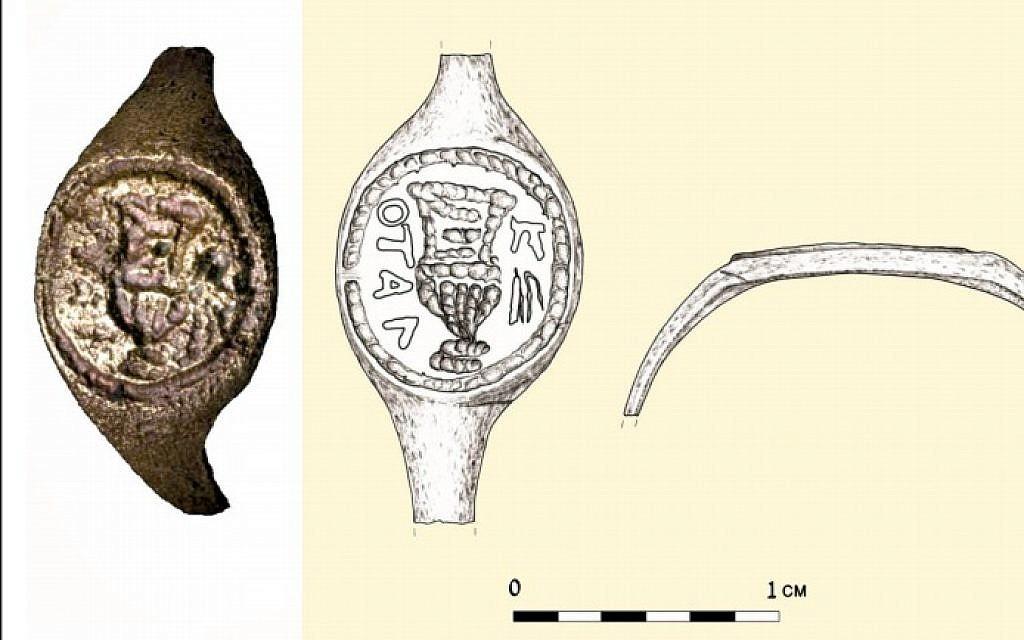
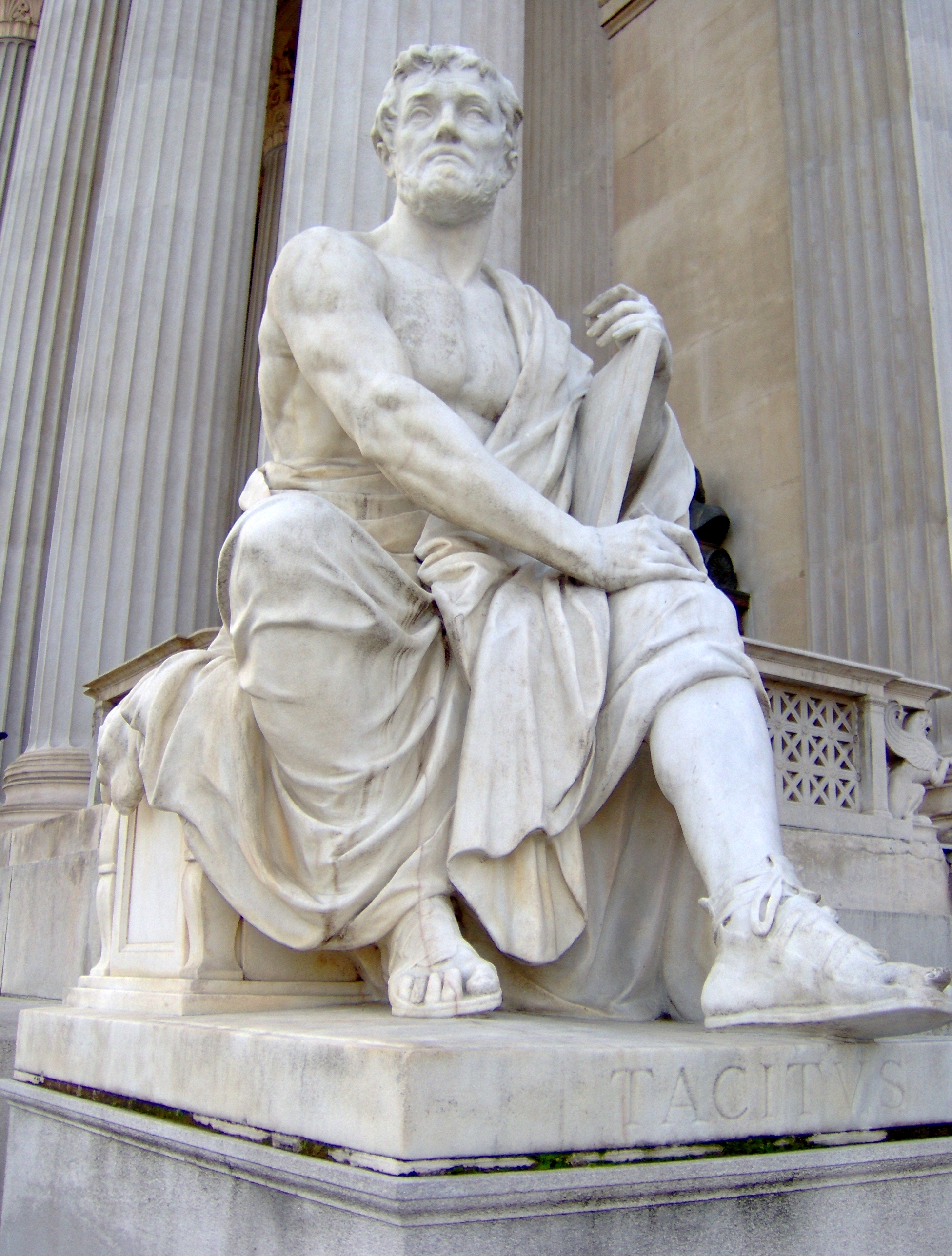
Image: Image generated for Berean / Philo of Alexandria
Discuss with AI