History
The Case for the Resurrection — Execution, Early Accounts, Empty Tomb, Eyewitnesses
- Era
- AD 30–100 (events and earliest sources)
- Location
- Jerusalem
A summary of the historical case for the resurrection of Jesus, arranged around four lines of evidence — his execution, the earliest reports, the empty tomb, and the eyewitnesses — drawing on the same sources catalogued elsewhere in this library.
The find
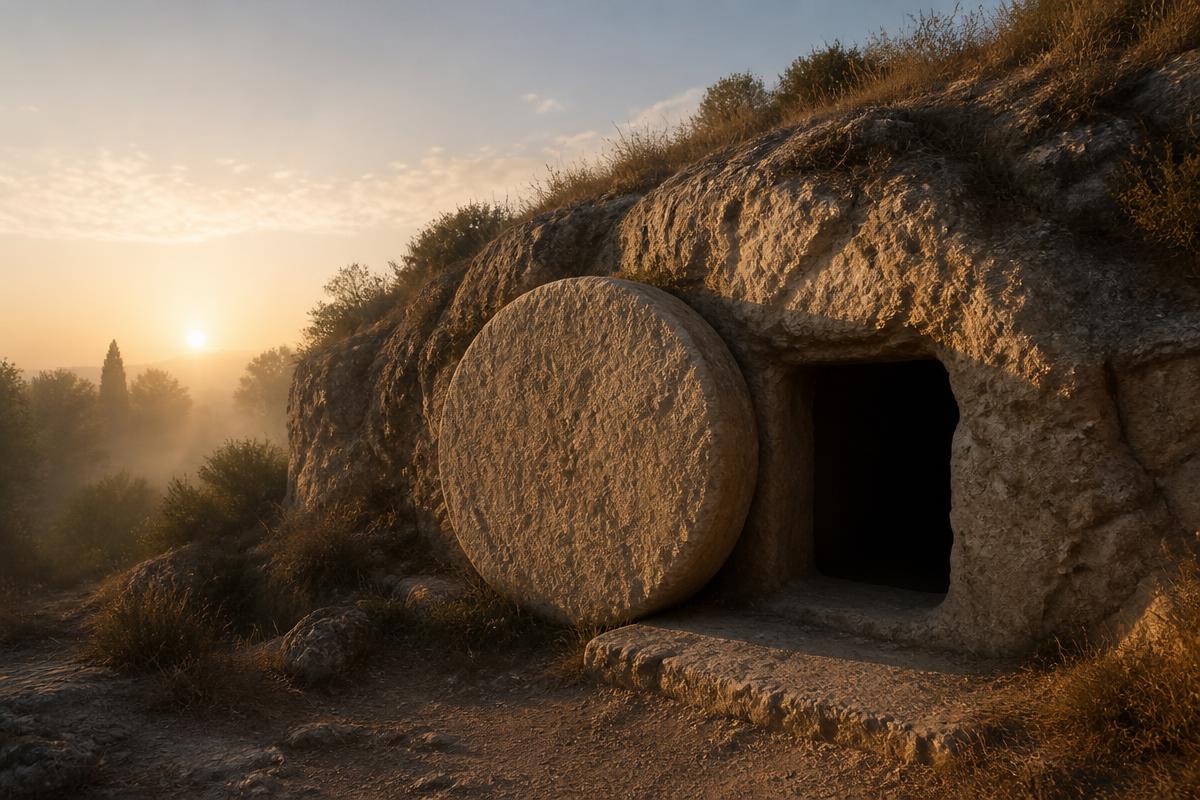
Most of the entries in this library deal with a single artifact, inscription, or ancient author. This one is different. It is a case — an argument built out of the pieces the other entries supply. Lee Strobel, a Yale-trained lawyer who worked as legal editor of the Chicago Tribune, set out as an atheist to disprove the resurrection after his wife came to faith. Two years of investigation later he changed his mind, and he still summarizes what he found with four words that begin with the letter E. That framework is a helpful way to walk the evidence, so we will follow it here — with the strength of each claim stated honestly along the way. 1. EXECUTION — Jesus really died. Crucifixion was a Roman execution method refined to be unsurvivable, and there is no reliable record of anyone walking away from a completed one. The death of Jesus under Pontius Pilate is affirmed not only in the New Testament but by hostile and neutral outsiders: Tacitus, Josephus, the Babylonian Talmud, Mara bar Serapion, Lucian. In 1986 the Journal of the American Medical Association published a study of the physical death of Jesus which concluded that the weight of the historical and medical evidence indicates he was dead before the wound to his side was inflicted. Even skeptical historians such as Gerd Ludemann treat the crucifixion as historically certain. This is the least disputed point in the whole discussion. 2. EARLY ACCOUNTS — the reports are too early to be legend. The usual explanation for a miracle story is that it grew over generations. That explanation runs into 1 Corinthians 15:3-7, where Paul hands on a creed he had already received — a fixed, pre-Pauline summary stating that Christ died for our sins, was buried, was raised on the third day, and appeared to Peter, to the Twelve, to more than five hundred at once, to James, and to all the apostles. Paul writes the letter around AD 55, but the creed itself is older than the letter. Historians across the theological spectrum date it very early; James D. G. Dunn writes that it was formulated within months of the death of Jesus. Whatever one concludes about what happened, the belief is not a late development. It is there from the beginning. 3. EMPTY TOMB — the argument in the first century was about how it emptied. Matthew 28:11-15 preserves the counter-story circulating in Jerusalem: the disciples came and stole the body. That is a hostile explanation, and it is telling, because it concedes the premise. Nobody in the earliest debate seems to have answered the preaching of the resurrection by producing a body or pointing to an occupied tomb. Historians are more divided here than on the crucifixion — the empty tomb is widely, though not universally, accepted — and the honest question is not whether the tomb was empty but why. Neither the Romans, who wanted Jesus dead, nor the temple leadership, who wanted him to stay dead, had a motive to move the body. 4. EYEWITNESSES — the sources are unusually many. For most facts in ancient history we are working with one source, occasionally two. For the conviction of the disciples that they had met the risen Jesus, there are multiple independent strands: the early creed, Paul writing in his own name about his own encounter, Peter's preaching in Acts, the four Gospels, and second-generation writers who had sat under the apostles themselves — Clement of Rome, ordained in the circle of Peter, and Polycarp of Smyrna, appointed by John, who mentions the resurrection repeatedly in his letter to the Philippians. Add to that the transformation of Saul of Tarsus, a persecutor with every earthly reason to stay where he was, and the willingness of the apostolic circle to suffer for a claim they were uniquely positioned to check. What this does and does not prove. Strobel likes to cite Sir Lionel Luckhoo, the defense attorney in the Guinness Book of World Records for consecutive acquittals, who examined the record and wrote that the evidence for the resurrection is so overwhelming that it compels acceptance by proof which leaves absolutely no room for doubt. That is a striking verdict from a striking man, but it is his verdict, and it is quoted here as such. History does not work like a laboratory. What the evidence establishes is that the crucifixion happened, that the resurrection claim is early rather than legendary, that the tomb was reportedly empty, and that a group of people who could have known better went to their deaths saying they had seen him alive. Each reader still has to weigh the explanations. That is the Berean posture: search the Scriptures and examine the record, and then decide.
Why it matters
This entry ties the library's scattered pieces — Roman historians, Jewish sources, crucifixion archaeology, apostolic fathers — into one connected argument, so a reader can see not just the individual facts but the case they add up to.
Cross-linked Scripture
- 1 Corinthians 15:3-8— The earliest creed, received by Paul and handed on.
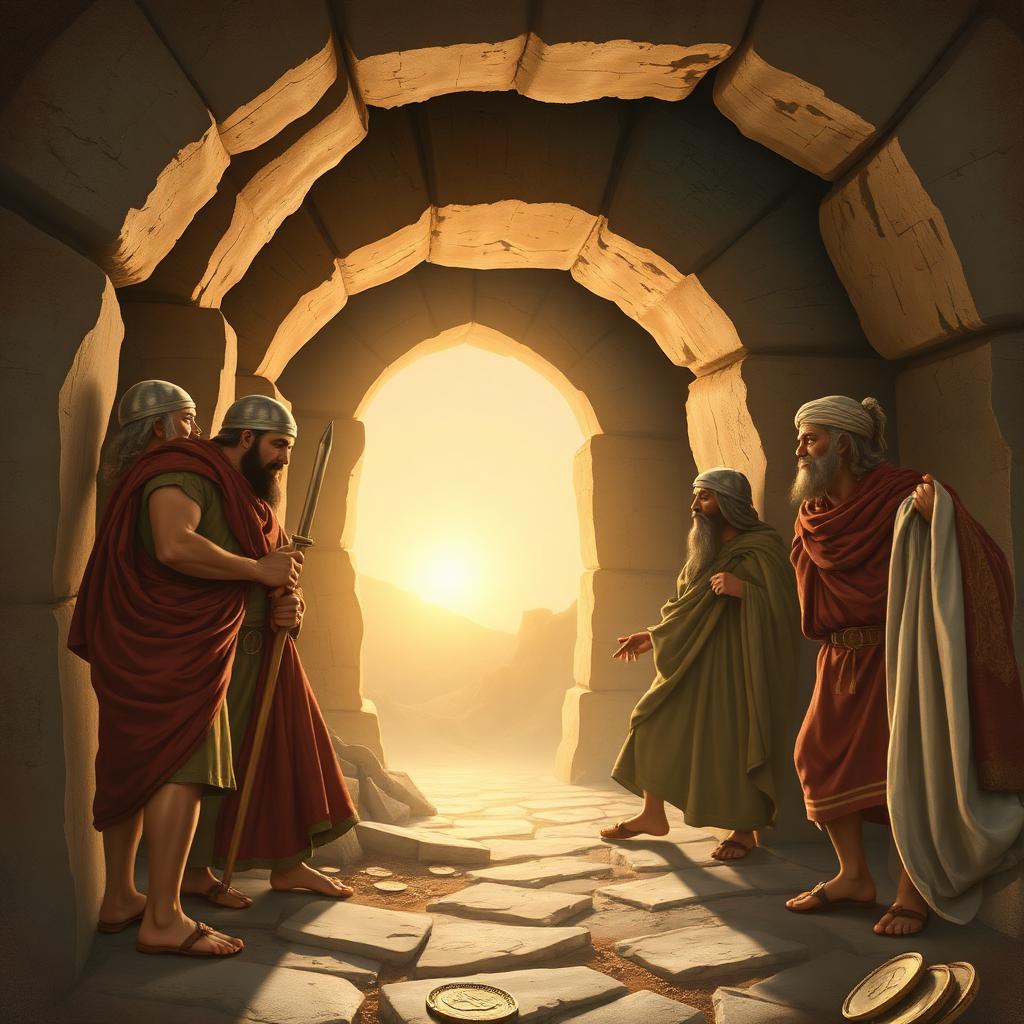
- Matthew 28:11-15— The stolen-body counter-story — a hostile witness to an empty tomb.
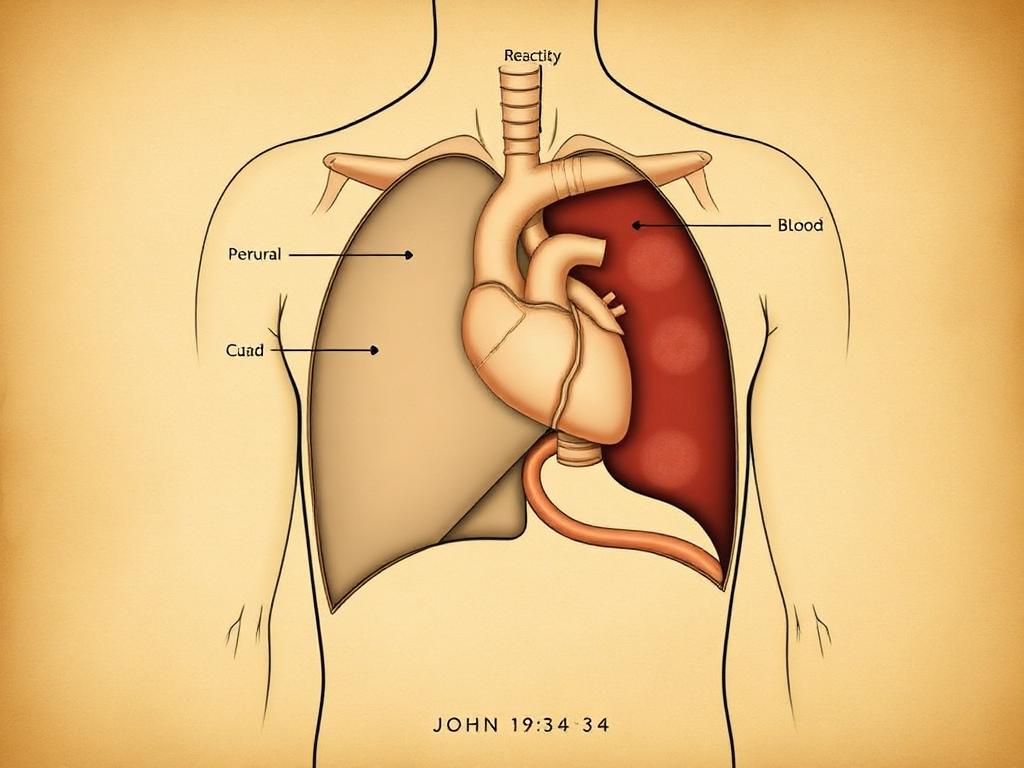
- John 19:34— The spear thrust and the flow of blood and water.
- Acts 2:32— Peter preaching in Jerusalem: "of that we are all witnesses."
- Acts 26:12-18— Paul recounting his own encounter with the risen Christ.
Doctrine check
Sources
- ·1 Corinthians 15:3-7 (the earliest creed)
- ·Tacitus, Annals 15.44
- ·Josephus, Antiquities 18.63-64; 20.200
- ·Edwards, Gabel & Hosmer, "On the Physical Death of Jesus Christ," JAMA 255:11 (1986)
- ·Dunn, J.D.G. (2003). Jesus Remembered, p. 855 (dating of the creed)
See also
History
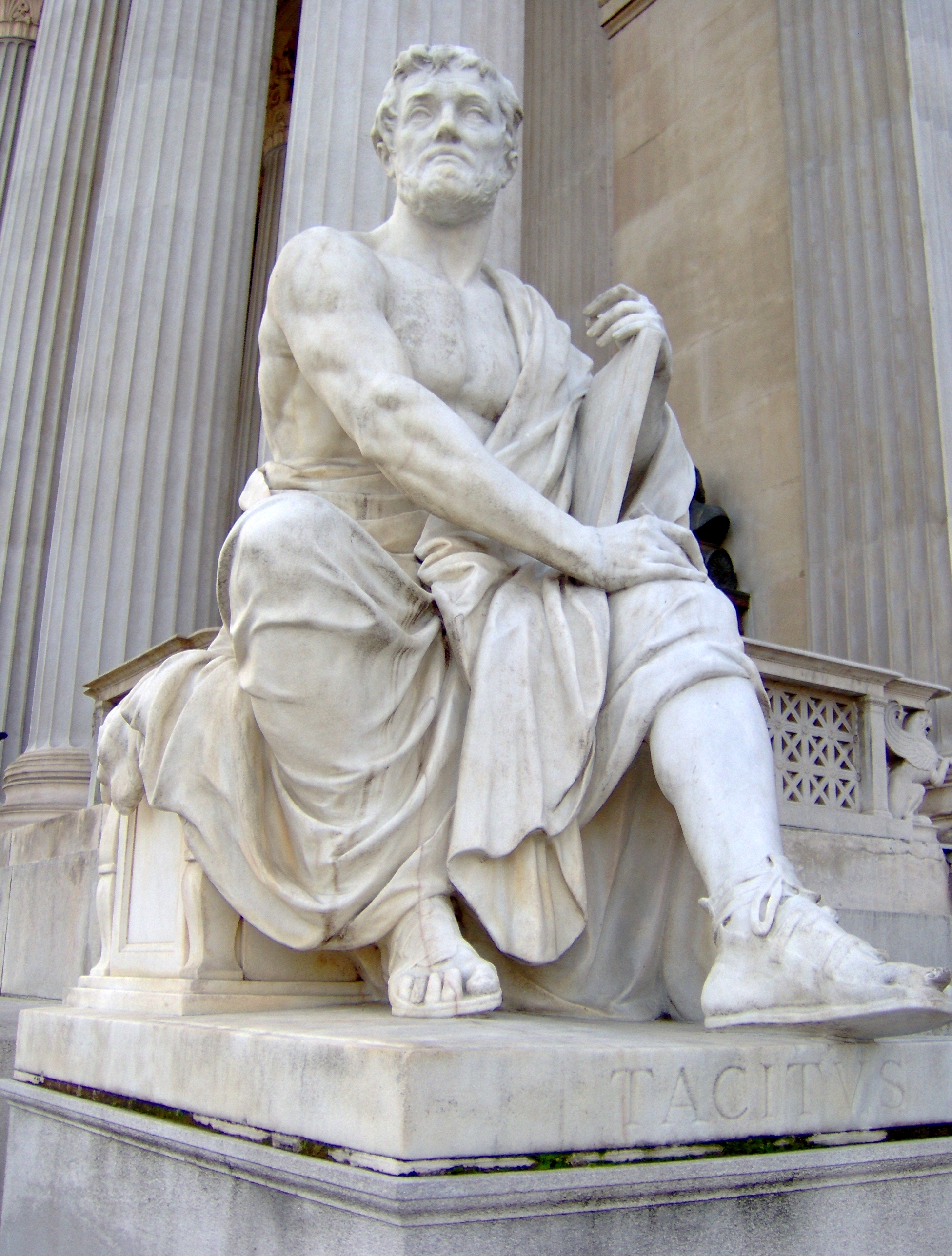
Tacitus, Annals 15.44
Roman confirmation of the execution
History
Josephus on Jesus and James
Jewish historian on Jesus and James
Science
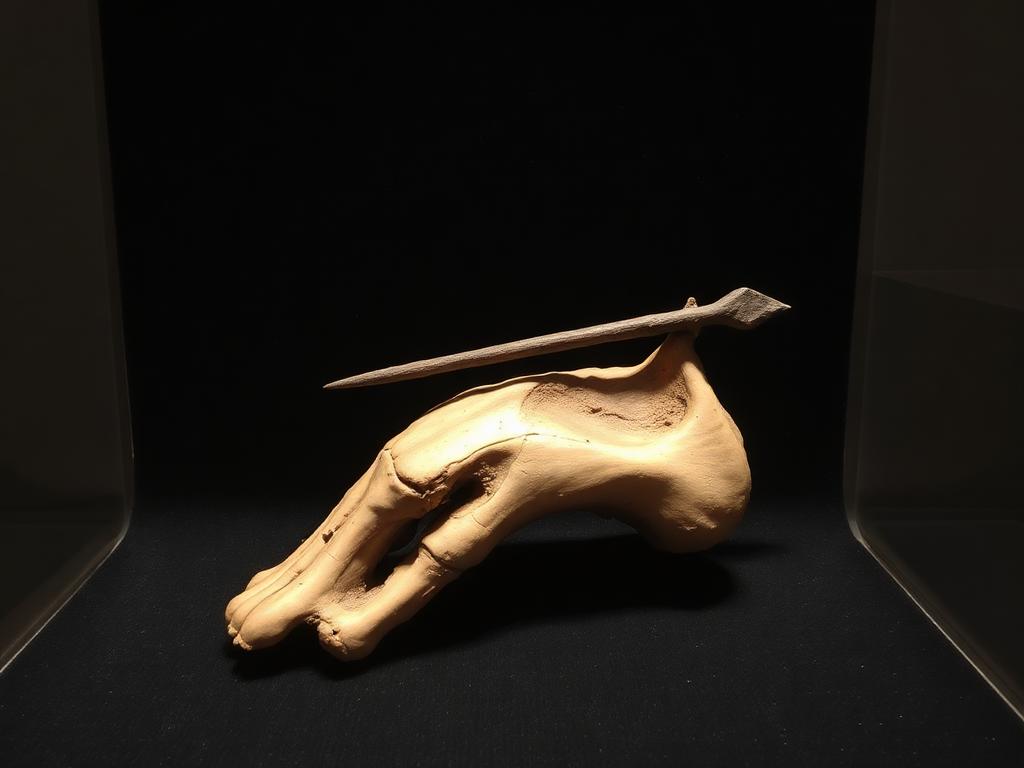
Crucified Man of Givat ha-Mivtar (Yehohanan)
Archaeology of Roman crucifixion
Science
John 19:34 — Blood and Water from Jesus' Side
Medical evidence that he was dead
History
The Guards' Report (Matthew 28:11-15)
The stolen-body counter-story
Archaeology
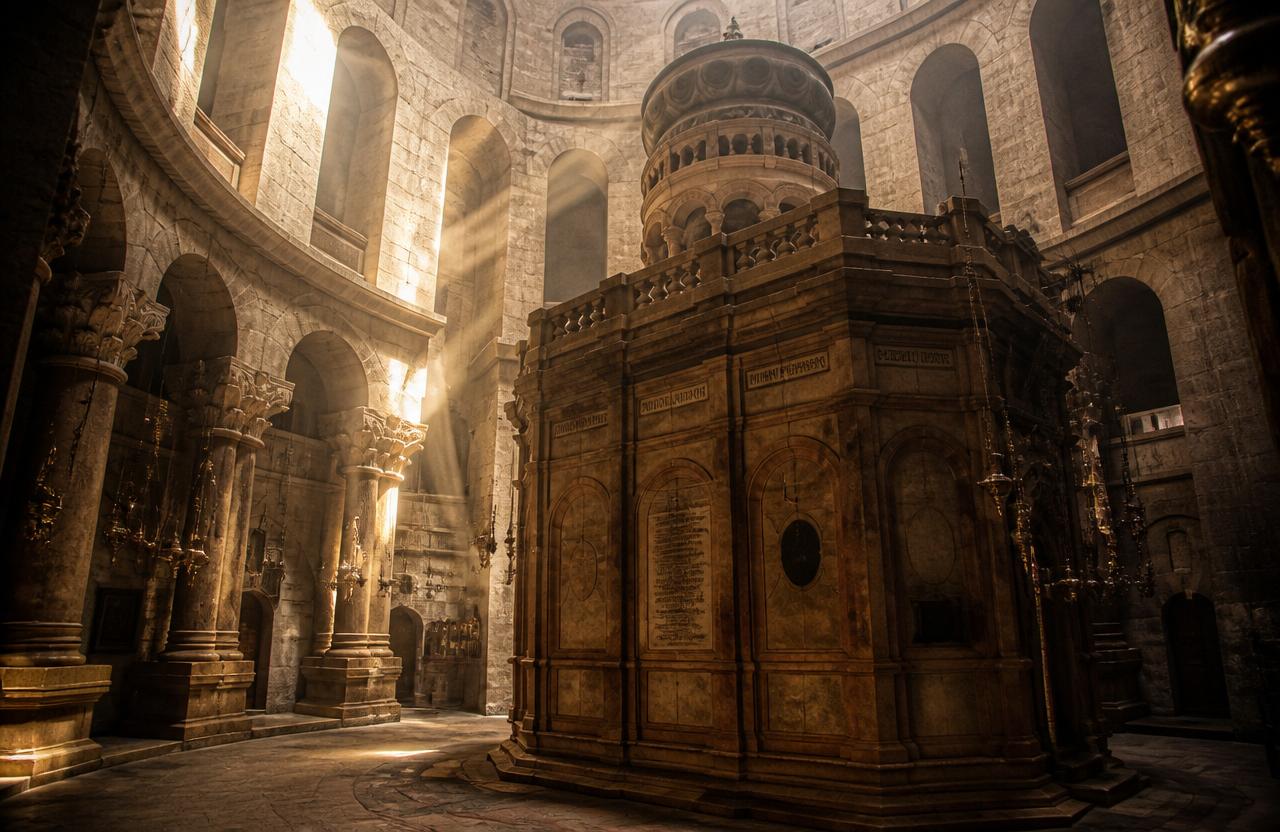
Where was Jesus crucified? Golgotha, the Holy Sepulchre, and the Garden Tomb
Where the crucifixion and burial happened
Archaeology
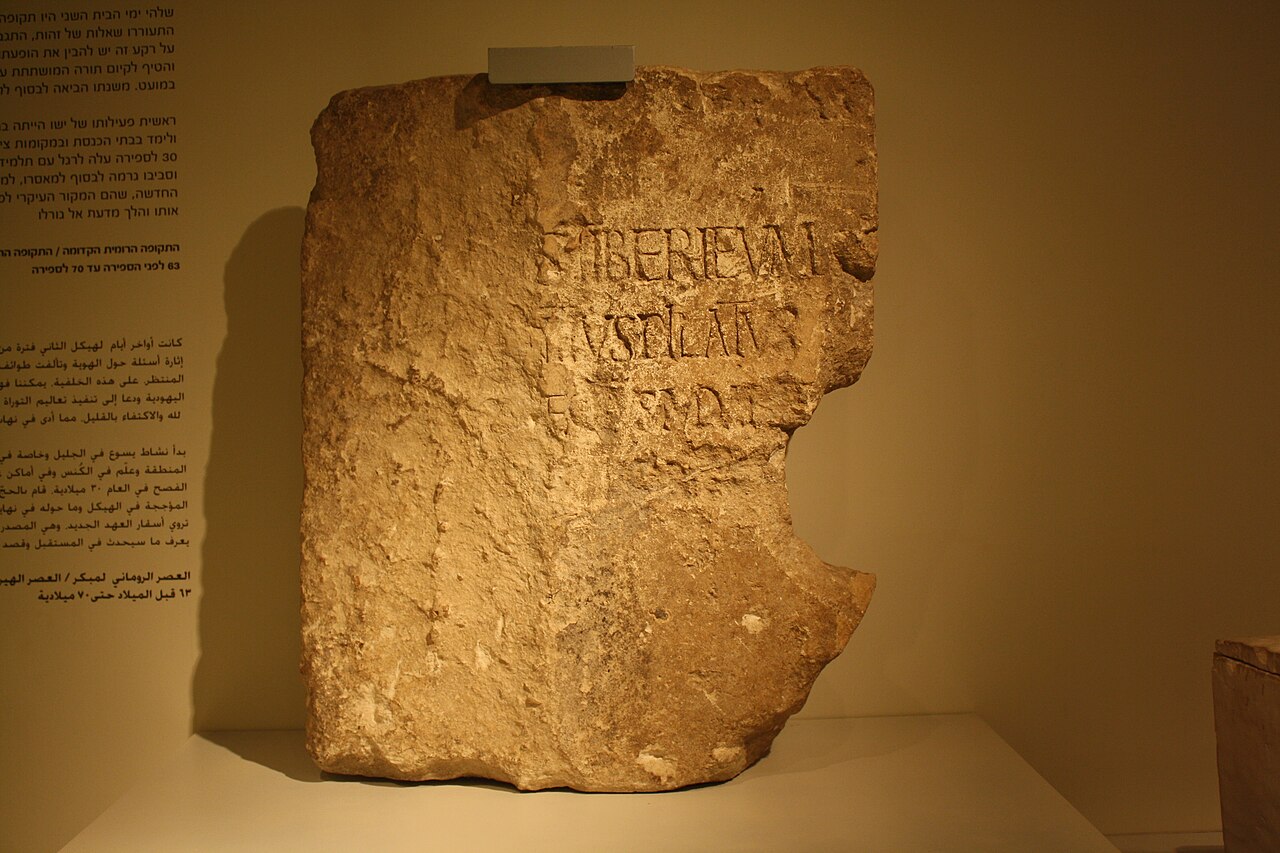
The Pilate Stone
Pilate in the historical record
Archaeology
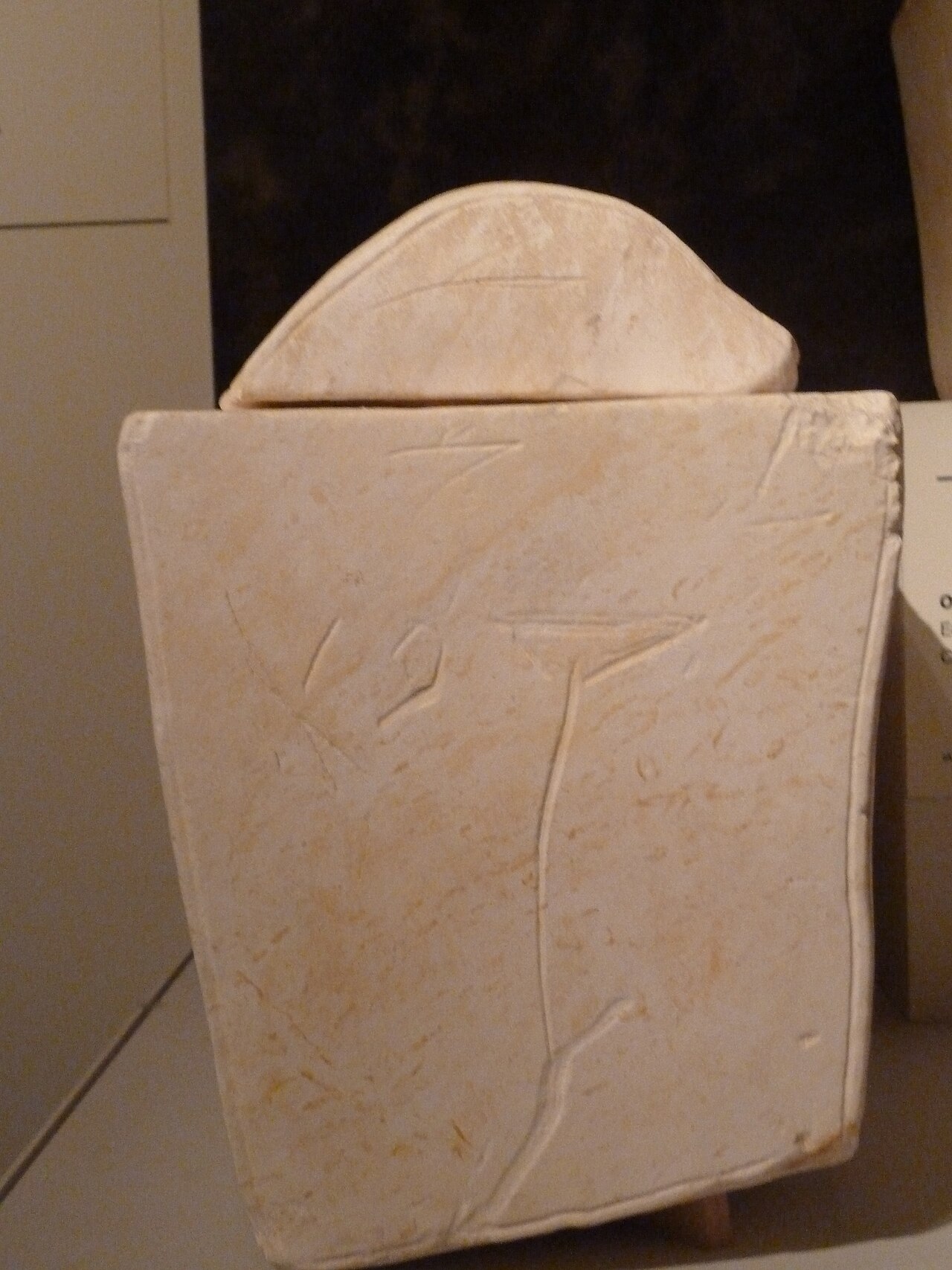
Caiaphas Ossuary
The high priest of the trial
History
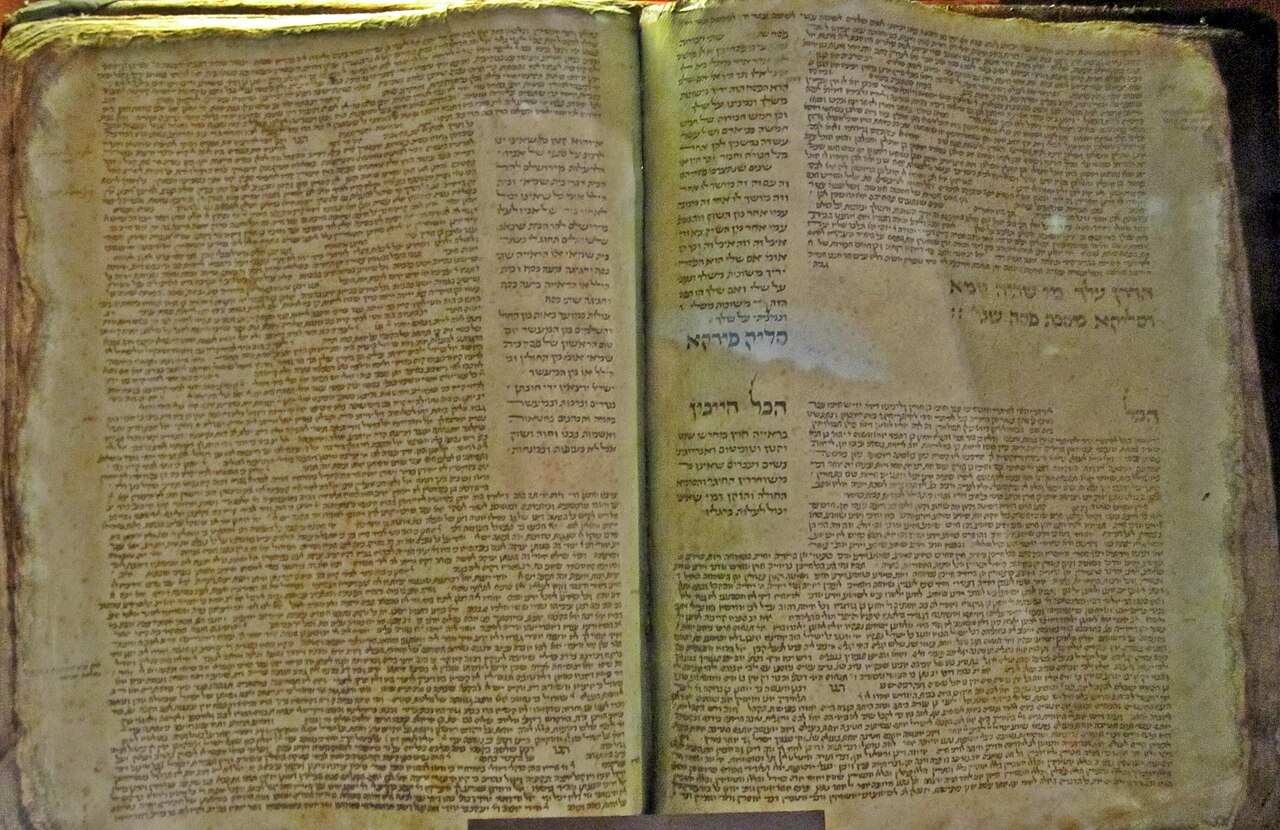
Babylonian Talmud, Sanhedrin 43a
Jewish tradition on the execution
History
Clement of Rome (1 Clement)
Second-generation witness (Peter's circle)
History
Polycarp of Smyrna
Second-generation witness (John's circle)
Image: Image generated for Berean
Discuss with AI